
Search Wilmington Death Records
Wilmington death records are kept by the New Hanover County Register of Deeds. Wilmington is the county seat and has been the center of government in New Hanover County since the county was formed in 1729. Death certificates are on file from 1913 forward. The county also has a rich collection of historical records that go back much further. This page explains how to get death certificates in Wilmington and where to find older records for genealogy and research.
Wilmington Death Certificates Office
The New Hanover County courthouse is at 3rd and Princess Street, Room 103, Wilmington, NC 28401. This is where the Register of Deeds handles death certificate requests. The office keeps birth and death records from 1913 onward for all of New Hanover County.
Certified copies of Wilmington death certificates cost $10. Bring a valid photo ID. You need to know the full name of the deceased and the date of death. Your relationship to the person on the record also matters. Under G.S. 130A-93, only close family, legal agents, and certain officials can receive certified copies.
Walk-in service is the fastest path. You can often get your death certificate the same day. For those who cannot visit in person, mail and online options exist through the North Carolina Vital Records state portal. The state office issues death certificates for any county, including New Hanover.
New Hanover County Vital Records
The New Hanover County Register of Deeds serves Wilmington and all surrounding areas. Below is a state resource that supports death records access across North Carolina.
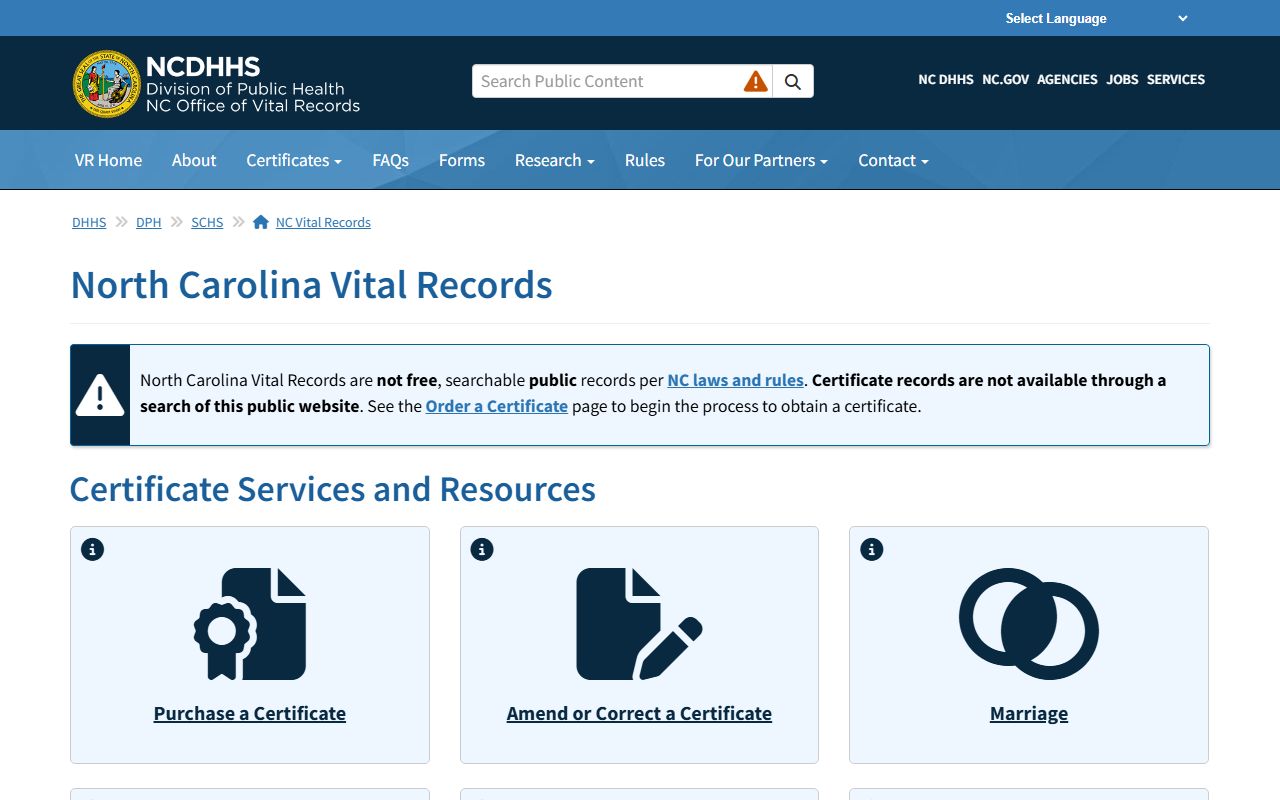
The North Carolina Vital Records office can issue death certificates from any county. This is an option for Wilmington residents who need a record from outside New Hanover County or who want to use the state mail-in process.
Wilmington Historical Death Records
Wilmington has deep historical roots. New Hanover County was created in 1729 from Craven County. While official death certificates only go back to 1913, other records cover much earlier periods.
The Wilmington Cemetery Records collection on FamilySearch covers the years 1852 to 2005. This is a large set of data that lists names, dates, and burial locations for people interred in Wilmington-area cemeteries. It is free to access and can serve as a bridge between modern death certificates and older historical records.
The New Hanover County Public Library at 201 Chestnut Street in Wilmington also holds local history materials. Their genealogy section has indexes, newspaper clippings, and other tools for tracing families in the Wilmington area. Staff can help you find death-related records that are not in the Register of Deeds system.
For statewide historical research, the North Carolina State Archives in Raleigh is another strong resource. They hold microfilm copies of older vital records and can help with Wilmington deaths from before the 1913 filing requirement.
Note: Cemetery records and church burial logs are often the only source for Wilmington deaths before 1913; these are found at the public library and online genealogy databases.
Search for Death Records in Wilmington
Start at the New Hanover County Register of Deeds. The staff can search by name and date. If you have a death certificate number, that speeds things up even more. Bring your ID and be ready to fill out a short request form.
You can also search online through genealogy platforms. Ancestry and FamilySearch both have historical death databases that include records from Wilmington and New Hanover County. These databases are useful for older records and can help you narrow down dates and names before you place an official request at the county office.
For Wilmington death records, you should have:
- Full name of the deceased
- Approximate date of death
- Place of death in New Hanover County
- Your photo ID
If you do not qualify for a certified copy under G.S. 130A-93, ask about uncertified copies. These are available under G.S. 130A-93.1 and contain the same data without the legal seal. They cost less and are easier to obtain for research purposes.
Wilmington Death Records and State Statutes
All death records in Wilmington are governed by North Carolina state law. G.S. 130A-93 controls access to certified copies. G.S. 130A-93.1 allows uncertified copies for a broader audience. G.S. 130A-26A provides for electronic filing and access, which the state uses for its online ordering portal.
The full text of Chapter 130A covers all vital records rules in North Carolina. Reading the relevant sections can help you understand your rights and options when requesting death records from Wilmington or any other city in the state.
New Hanover County follows these state laws exactly. There are no special local rules. The fees, access rules, and processing times are consistent with what you would find in other North Carolina counties.
Wilmington Death Records for Genealogy
Wilmington is a popular city for genealogy research because of its long history. Death records are a key piece of the puzzle. Each certificate from 1913 onward lists names, dates, places, causes, and parent data. These facts connect generations.
The Wilmington Cemetery Records on FamilySearch are a free starting point. They cover over 150 years of burials. If you can find a burial record, you can use the date and name to search for the official death certificate at the Register of Deeds.
Uncertified copies of death records are available from the New Hanover County office at a low cost. This makes it practical to order several records for a single research project. The North Carolina Association of Registers of Deeds website can help you find the right office if the person died outside New Hanover County.
Note: The New Hanover County Public Library at 201 Chestnut Street has free genealogy assistance and can help locate Wilmington death records that are not in the county system.
New Hanover County Death Records
Wilmington is the county seat of New Hanover County. All death certificates for the city go through the New Hanover County Register of Deeds. For full county-level details on services, fees, and historical records, visit the New Hanover County death records page.